Process
Plastic upcycling
Limited resources
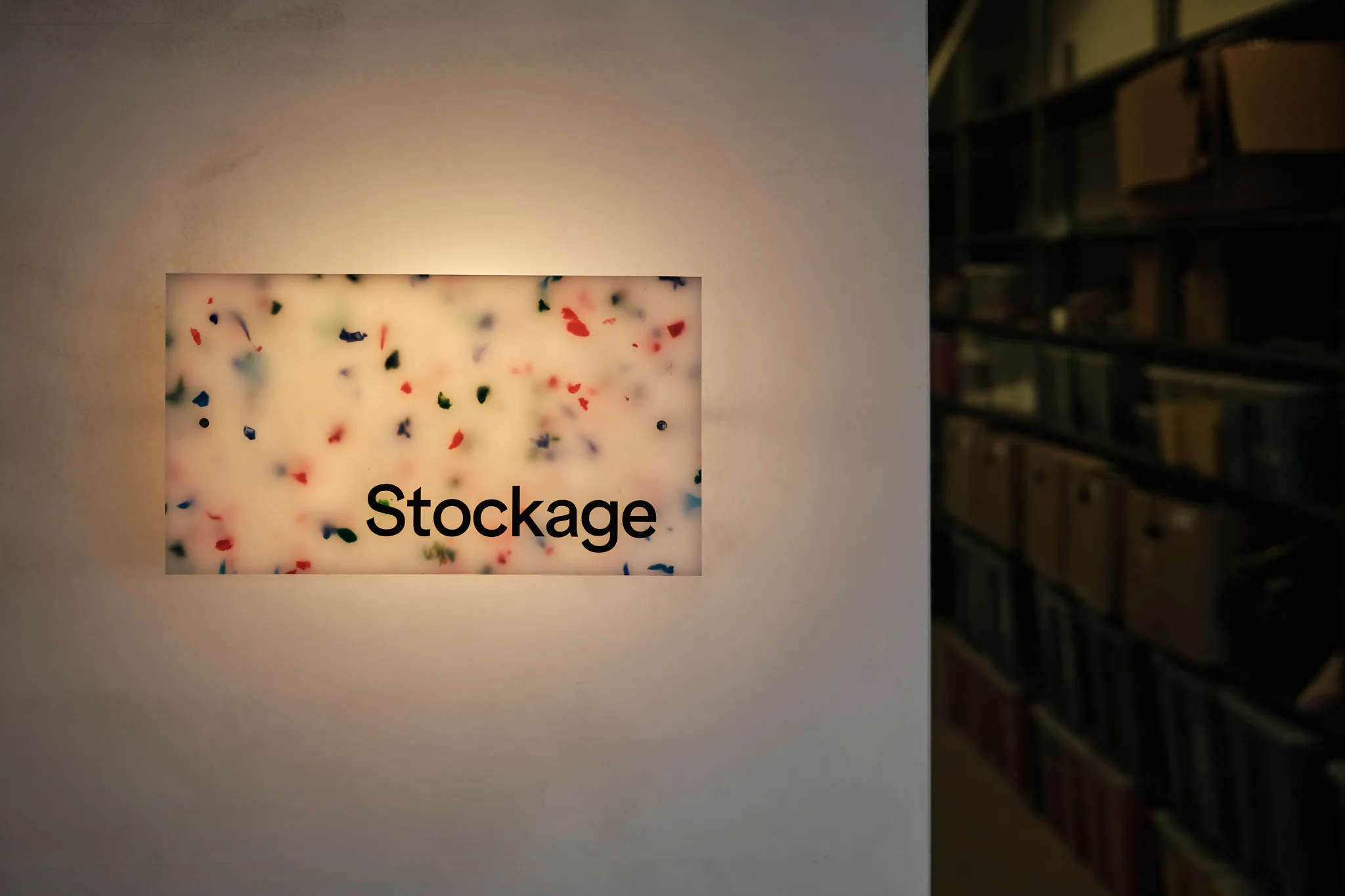
Made from company waste or waste collected by local authorities, our panels go through several steps, from sorting to processing.
Upcycling plastic is a concrete way to bring this material’s life cycle in line with a zero-waste approach. It avoids the need for “new” plastic, whose production releases on average 2 kg of CO₂ per kilo (not counting the CO₂ from burning it).
This process prevents our resources from going to waste and greatly extends the material’s lifespan.
We would still like to stress that the most urgent step towards living in a world with limited resources is to drastically reduce how much of them we consume!
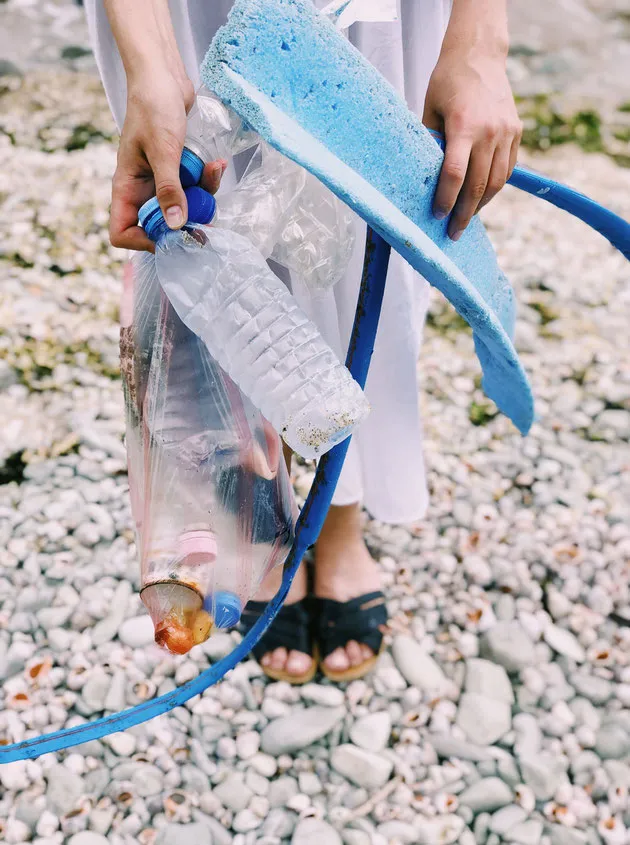
From waste to material: sorting, washing and shredding
Did you know there are different types of plastic? The most common ones – PET, HDPE and PP – are fortunately also the easiest to recycle. As PET is processed industrially, we do not work with it.
HDPE (bottle caps, for example) and PP (shampoo bottles, for example), on the other hand, are our materials of choice.
The first step is to collect the waste and sort it by type, as each one has different properties.
Next comes cleaning and, very often, shredding into small flakes, which later give a speckled, terrazzo-like finish.
An innovative upcycling method
Once sorted, washed and shredded, the plastic can finally be upcycled. It goes into a thermoplastic press – custom-built and the only one of its kind in French-speaking Switzerland – where it is heated and takes on a new shape.
This upcycling process produces panels, each one unique, measuring 1400 × 890 mm and from 4 to 20 mm thick. On average, each sheet gives a new life to 10 kg of plastic that would otherwise have been burned!